AJMEC Projects • September 6, 2026

What is horizontal directional drilling? A guide for civil projects

Horizontal directional drilling (HDD) offers a low‑impact solution for installing underground utilities without extensive excavation. If you’re a property owner or contractor in Cannon Valley QLD, understanding how HDD works can save time, protect the environment and minimise disruption to your site.

What is horizontal directional drilling?

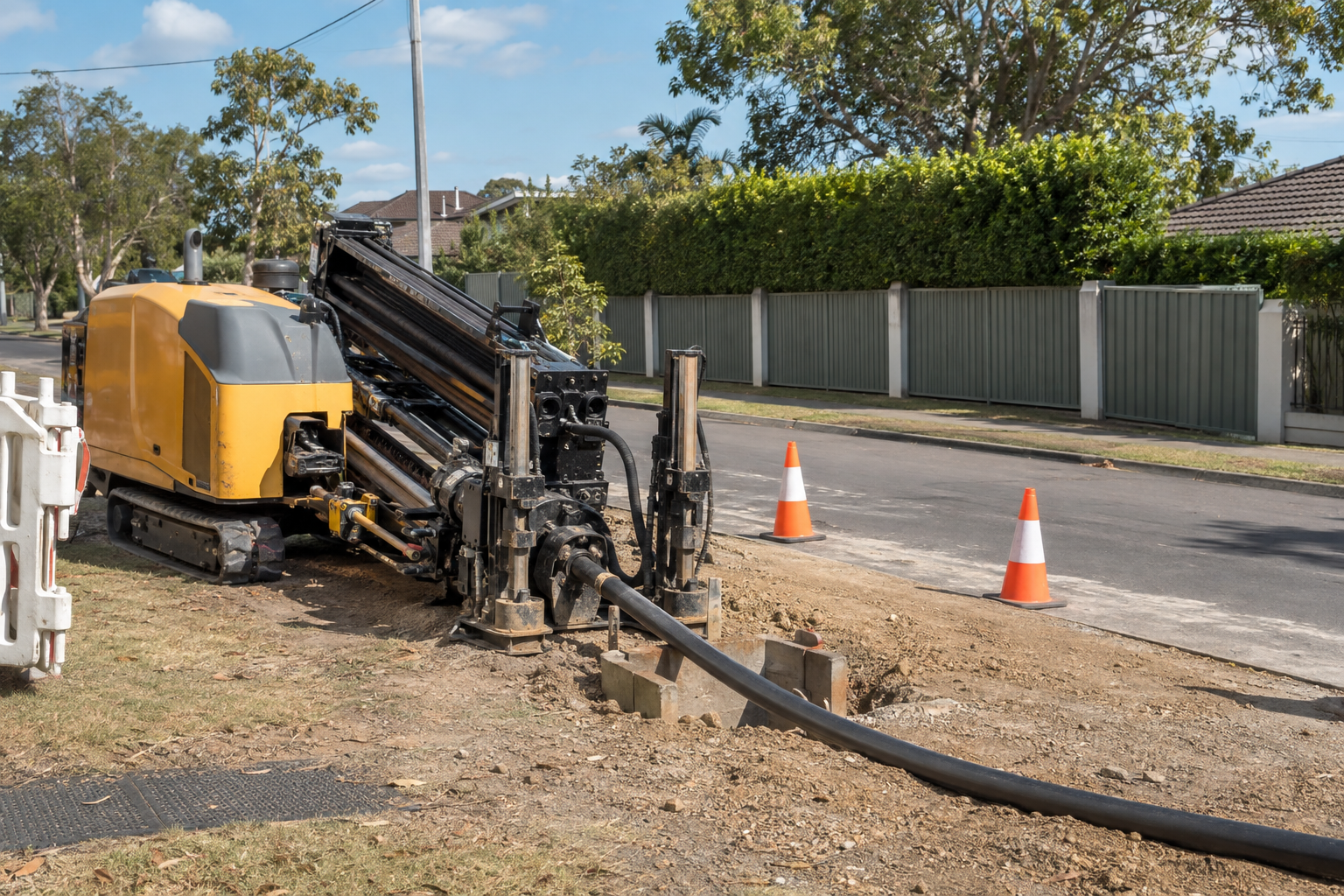
HDD is a trenchless technology that uses a steerable drill head to create a small underground borehole along a predetermined path. The method is ideal for crossing roads, waterways, or sensitive terrain where traditional open‑cut excavation would be impractical.

Benefits of horizontal directional drilling in Cannon Valley

In the Cannon Valley region, the terrain often includes rugged bushland and existing infrastructure. HDD provides several advantages:

  • Reduced surface disruption – no large trenches or road closures.
  • Faster project timelines compared with conventional excavation.
  • Lower risk of damage to trees, irrigation systems and existing services.
  • Improved safety for workers and site users.

How to choose a reliable HDD provider

Choosing the right contractor is crucial for a successful project. Look for these key attributes:

  • Local experience – familiarity with Cannon Valley’s soil conditions and council regulations.
  • Qualified operators – licence‑holdings and proven training in HDD techniques.
  • Clear communication – detailed proposals that outline each project stage.
  • Safety and environmental compliance – evidence of risk assessments and environmental management plans.

Get in touch with our team to discuss your specific requirements and ensure you’re working with a specialist that meets all of these criteria.

Common applications for HDD in Cannon Valley

HDD is widely used across a range of projects, including:

  • Installation of water, gas and electrical pipelines.
  • Data and fibre‑optic cable deployment.
  • Stormwater and sewer upgrades.
  • Mining or agricultural infrastructure where preserving the surface is essential.

Key steps in an HDD project

Understanding the typical workflow helps you plan and manage expectations:

  1. Site assessment – soil testing, utility mapping and route planning.
  2. Drilling plan – selecting the appropriate drill rig, pipe size and drilling fluid.
  3. Pilot bore – creating a small guide hole that follows the designed path.
  4. Reaming – enlarging the pilot bore to the final diameter required for the pipe or cable.
  5. Pull‑back and installation – pulling the product through the borehole and sealing connections.

Conclusion

Horizontal directional drilling offers a precise, low‑impact method for installing underground services in Cannon Valley QLD. By selecting an experienced local provider, you can avoid costly surface disruption and achieve reliable results.

Ready to start your next project? Learn more about our horizontal directional drilling services or contact us today to discuss how we can help you succeed.

Excavation and trenching works for underground conduit installation
By AJMEC Projects September 8, 2026
Learn how trenching and conduit installation are planned around access, existing utilities and site conditions for civil and infrastructure projects.

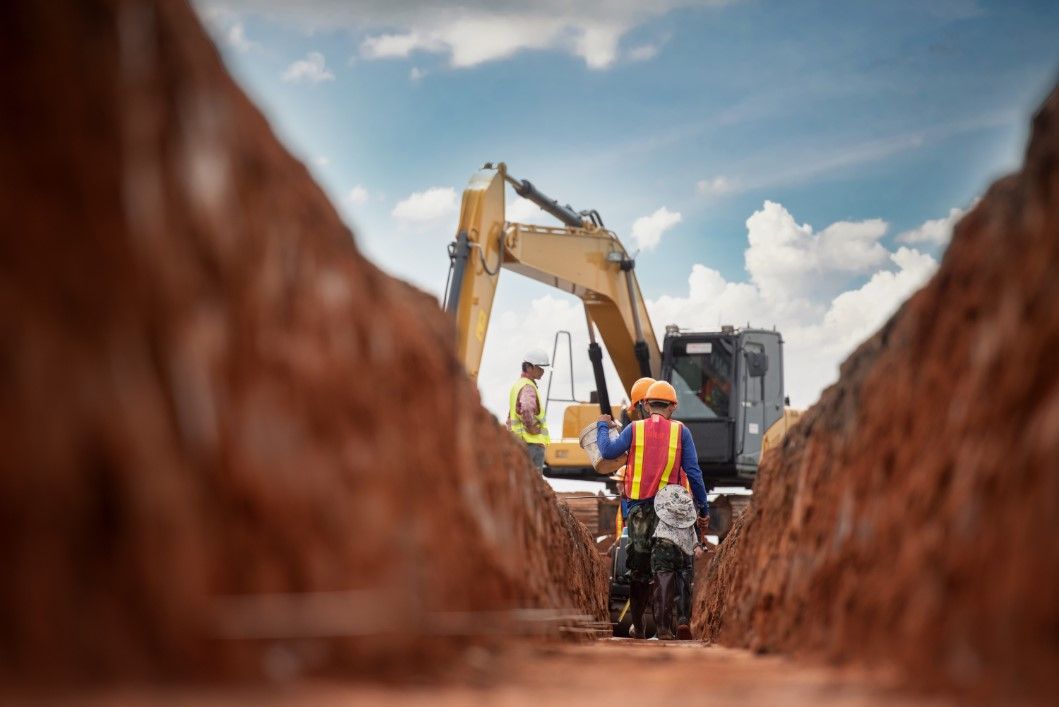
Excavator completing drainage and pipeline excavation works
By AJMEC Projects September 8, 2026
Plan drainage and pipeline excavation around access, depth, ground conditions and existing utilities for safer, more efficient underground civil works.