Drainage and pipeline excavation: what to plan before digging
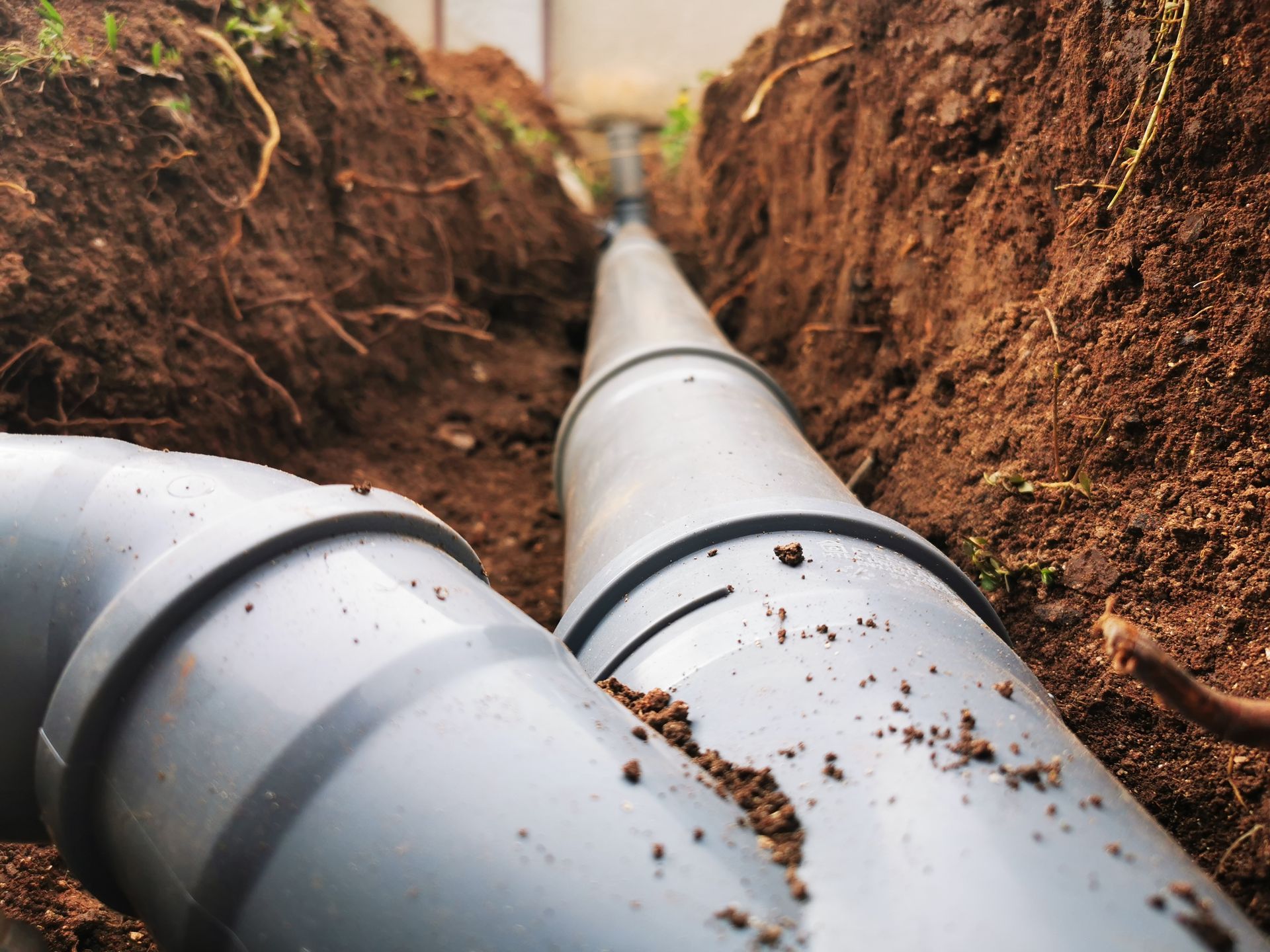
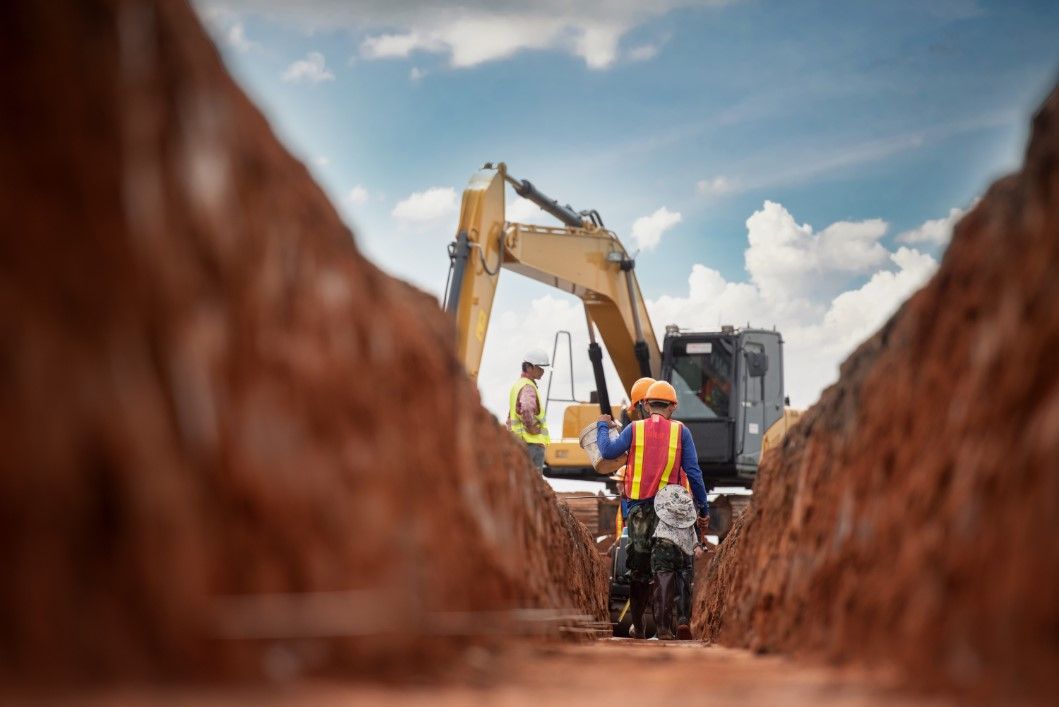
Drainage and pipeline excavation requires more than simply opening a trench. The proposed route, excavation depth, ground conditions, site access and surrounding underground infrastructure all influence how the work should be approached. Reviewing these factors early helps project teams choose suitable equipment and coordinate excavation around existing assets.
AJMEC Projects provides drainage excavation and pipeline excavation for civil, utility and infrastructure projects across key East Coast regions. The work can be supported by service locating, vacuum excavation and HDD where site conditions require a different underground method.
1. Review the alignment, depth and access
The proposed excavation route should be assessed before mobilisation. Important details include the required depth, pipe dimensions, connection points, working space and access for equipment.
AJMEC Projects operates 1.7-tonne, 6-tonne and 14-tonne excavators, allowing the excavation method to be matched to restricted work areas, larger open sites and varying project requirements.
Clear information about the route and site conditions also helps identify areas where excavation may need to be staged or where a different method may be more practical.
2. Identify existing underground services
Drainage and pipeline routes can pass close to electrical, communications, water and other buried infrastructure. Existing utility information should therefore be reviewed before mechanical excavation begins.
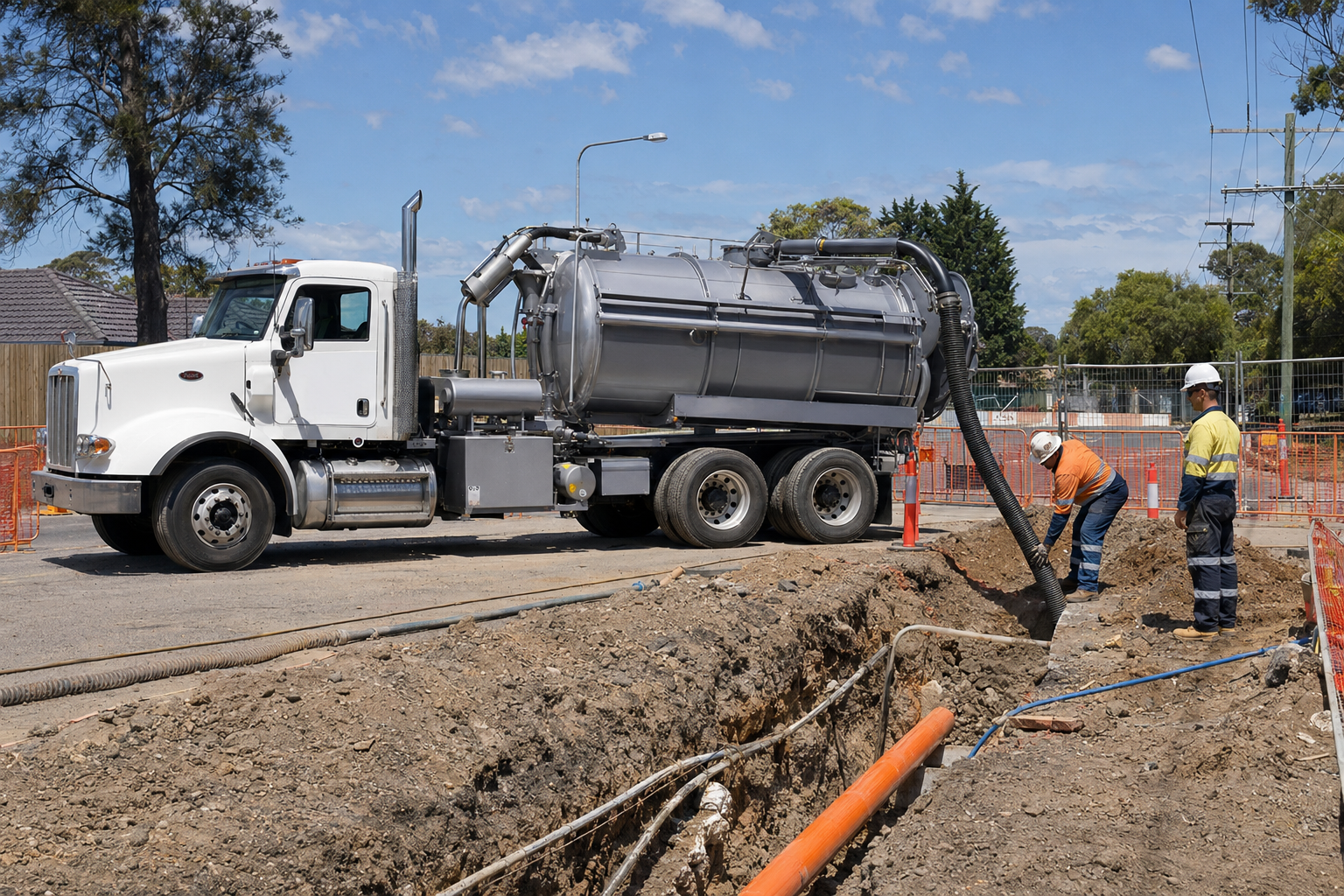
AJMEC Projects provides underground service locating to help identify detectable buried services within the work area. Where physical exposure is needed, vacuum excavation and non-destructive digging can be used at selected points to support controlled excavation around existing assets.
This allows the project team to plan the excavation sequence with a clearer understanding of known underground constraints.
3. Match the excavation method to site conditions
Longer pipeline routes may include open sections, tighter connection areas and crossings near existing services. The most practical method can therefore vary along the same project.
Mechanical excavation may suit accessible sections with adequate working space. In more sensitive areas, NDD can provide controlled exposure, while horizontal directional drilling may be considered where a trenchless crossing is more suitable.
Using complementary methods where required can help manage surface disruption and site constraints without treating every section of the alignment in the same way.
4. Coordinate drainage and pipeline works with the wider project
Excavation often needs to fit around other civil activities, utility works and project milestones. Programme requirements should be considered alongside access, mobilisation and the availability of connection or installation crews.
For Tier-1, utility and infrastructure projects, this coordination is particularly important where several contractors or underground work packages operate within the same area.
AJMEC Projects’ broader underground capability means drainage and pipeline excavation can be coordinated with trenching, locating, NDD and HDD where the project requires multiple methods.
Conclusion
Effective drainage and pipeline excavation starts with clear planning around route, depth, access, existing utilities and ground conditions. Selecting the appropriate excavation method for each work area helps keep the project practical and coordinated.
Explore AJMEC Projects’ drainage excavation and pipeline excavation capabilities, or contact the team to discuss an upcoming underground civil project.