Trenching and conduit installation: planning underground service works
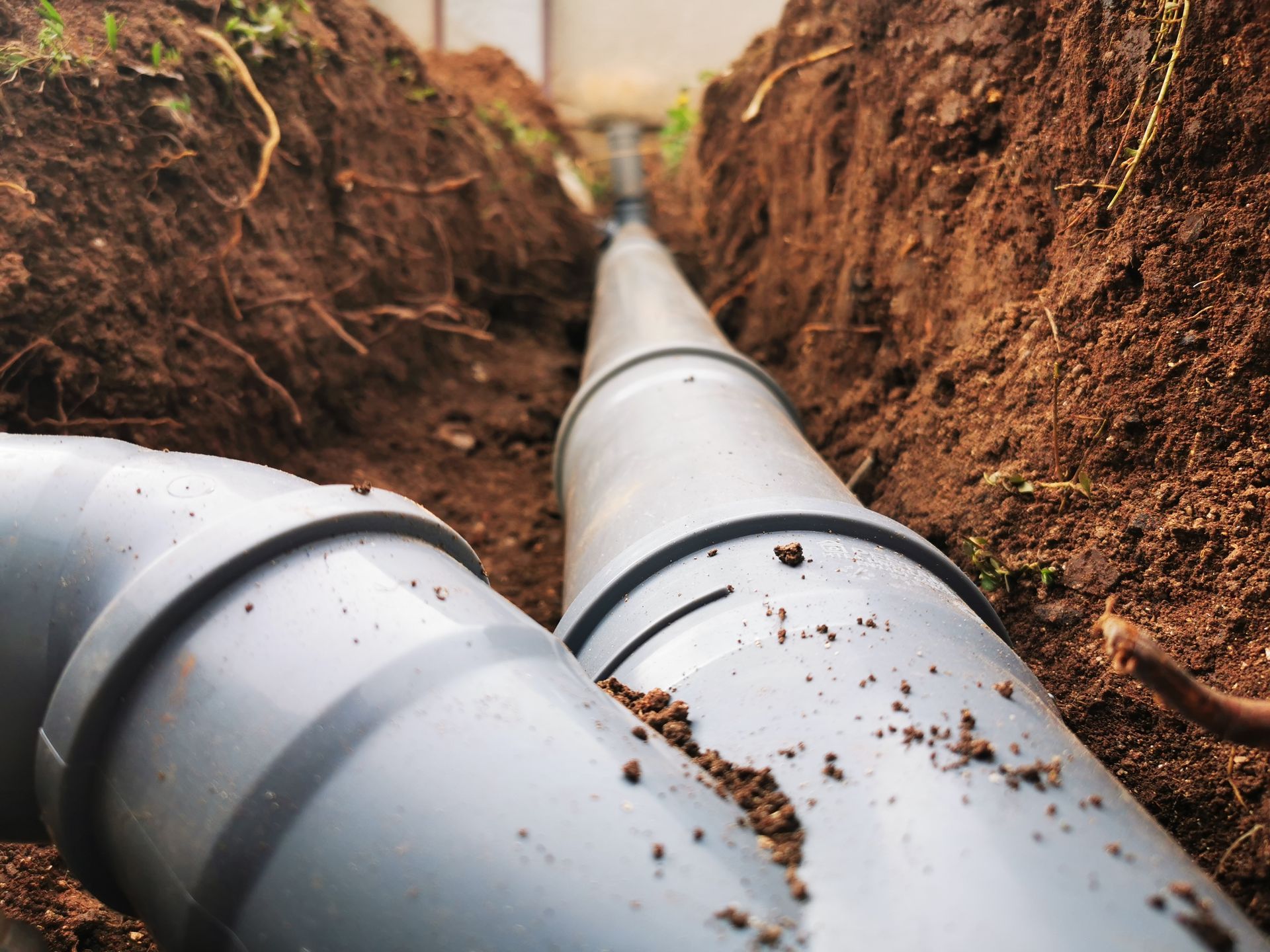
Trenching and conduit installation are core parts of many underground electrical, communications and utility projects. The work may appear straightforward, but the safest and most efficient approach depends on access, trench dimensions, existing services and the infrastructure being installed. Good planning before excavation begins helps reduce unnecessary disruption and keeps the work method aligned with project requirements.
AJMEC Projects provides trenching and conduit installation for civil, utility and infrastructure works across key East Coast regions. Our team can combine conventional excavation with other underground methods where site conditions change along the alignment.
1. Confirm the proposed alignment and installation requirements
Before trenching begins, the proposed route should be reviewed against the required conduit type, depth and quantity. This helps determine the most practical equipment and excavation method for the job.
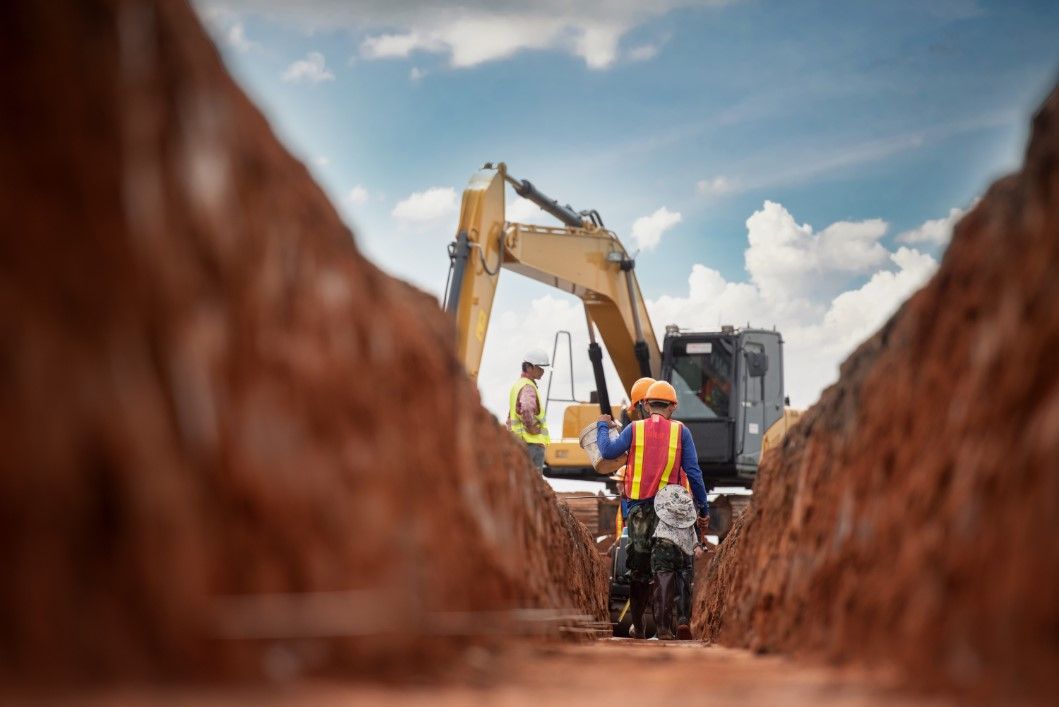
Access also plays an important role. Restricted work areas may require compact equipment, while larger open sites can allow for greater excavation capacity. AJMEC Projects operates excavators ranging from 1.7 tonnes to 14 tonnes as well as a walk-behind trencher, allowing the work method to be matched to site conditions.
Providing clear project information early also helps identify where additional planning may be needed around crossings, tie-ins and connection points.
2. Identify underground services before excavation
Existing utilities can affect both the alignment and the excavation sequence. Underground asset plans are a useful starting point, but on-site confirmation may also be required before ground disturbance begins.
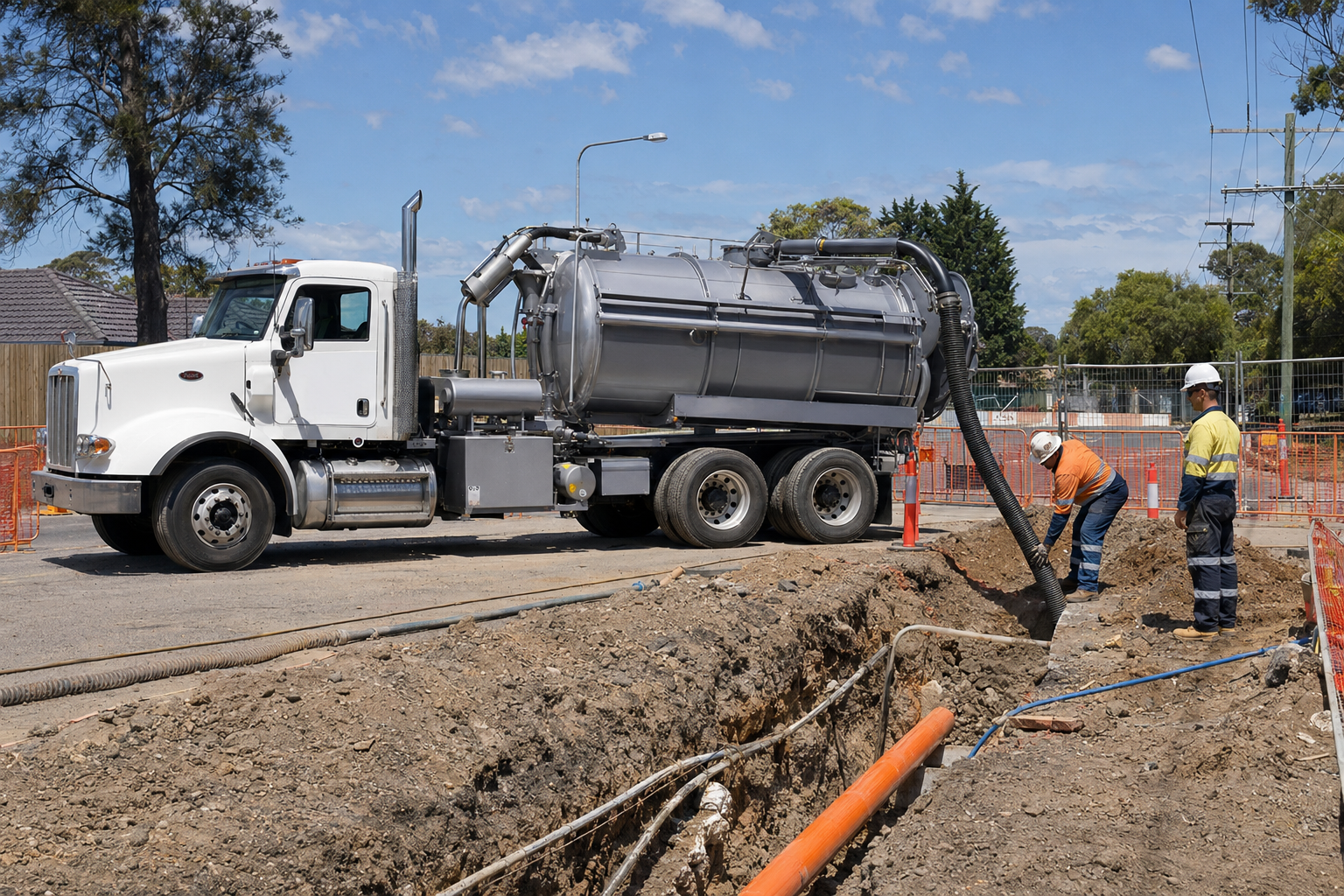
AJMEC Projects provides underground service locating to help identify detectable buried infrastructure before trenching, drilling or excavation. Where physical exposure is required, vacuum excavation and NDD can also support controlled excavation around existing services.
This combination allows the excavation method to change where the project moves through open ground, congested service corridors or crossing points.
3. Choose the excavation method to suit each section
Not every part of an underground service route has the same conditions. Open trenching may be practical through accessible sections, while other areas may benefit from more controlled excavation or trenchless installation.
Where opening the surface is impractical, horizontal directional drilling and underboring may be considered for suitable crossings. This is particularly useful where roads, accessways or existing surface infrastructure need to remain largely undisturbed.
Using the appropriate method for each section can help the project team manage surface disruption, access constraints and existing infrastructure more effectively.
4. Plan for staging and mobilisation
Programme requirements, site access and working space should be reviewed before mobilisation. Clear staging information helps determine when excavation equipment, locating support or NDD may be needed during the work.
For larger civil and utility projects, this planning is especially important where multiple underground activities need to be coordinated across the same site.
AJMEC Projects supports trenching, locating, NDD and HDD as part of a broader underground civil capability, giving project teams access to complementary services through one contractor.
Conclusion
Successful trenching and conduit installation starts with a clear understanding of the alignment, existing utilities, access and installation requirements. Matching the excavation method to each part of the route can help keep underground works practical and well coordinated.
For upcoming civil, electrical, communications or utility works, review AJMEC Projects’ trenching and conduit installation services or contact the team to discuss the project scope.