Vacuum excavation vs mechanical excavation: when to use NDD
Mechanical excavation remains an important part of civil construction, but it is not appropriate for every underground task. When crews are working close to existing pipes, electrical infrastructure, communications services or other buried assets, a more controlled excavation method may be required.
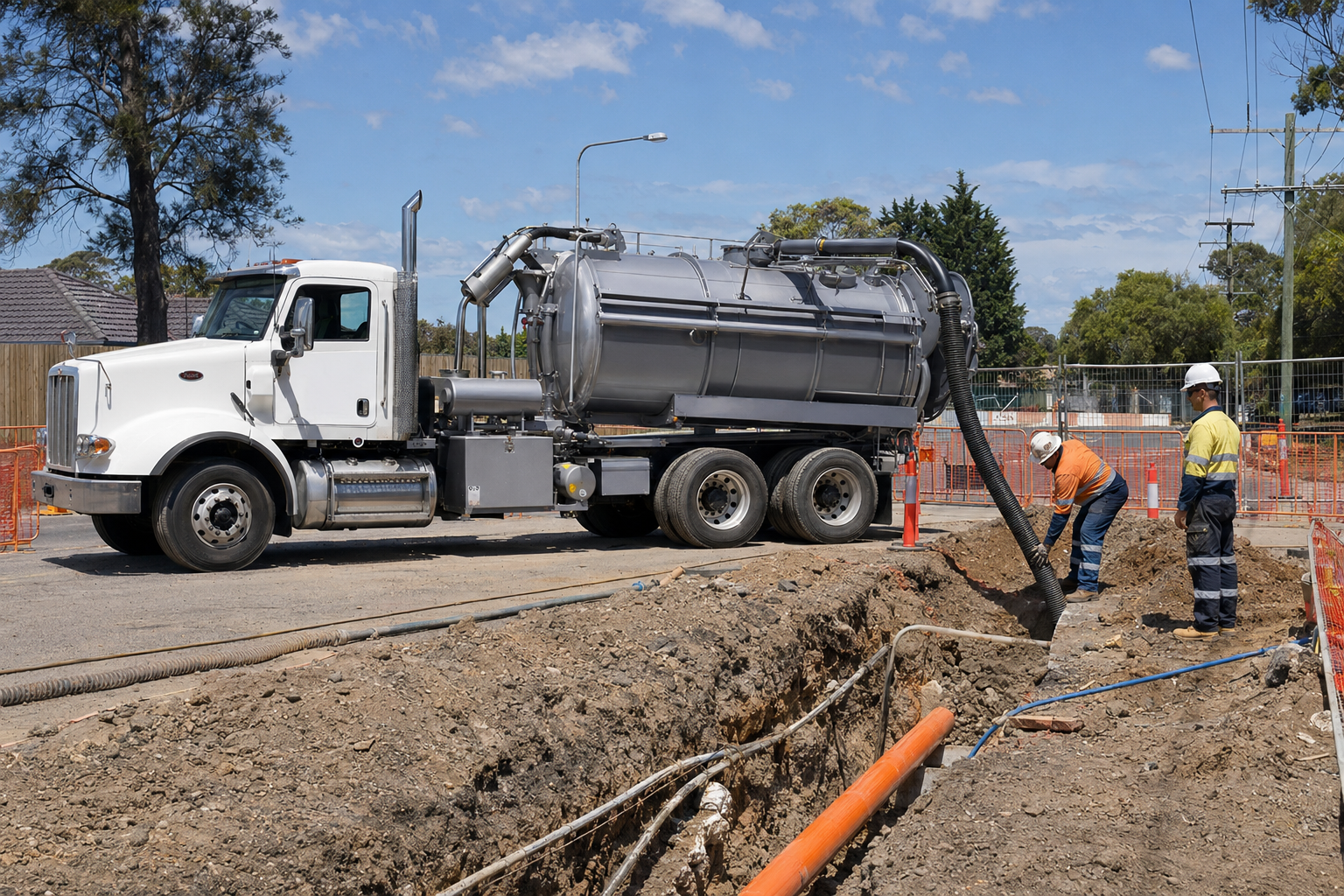
Vacuum excavation, also known as hydro excavation or non-destructive digging (NDD), uses pressurised water to loosen material before a vacuum removes the resulting spoil. The technique is commonly used when underground assets need to be exposed with greater control than a conventional excavator bucket can provide.
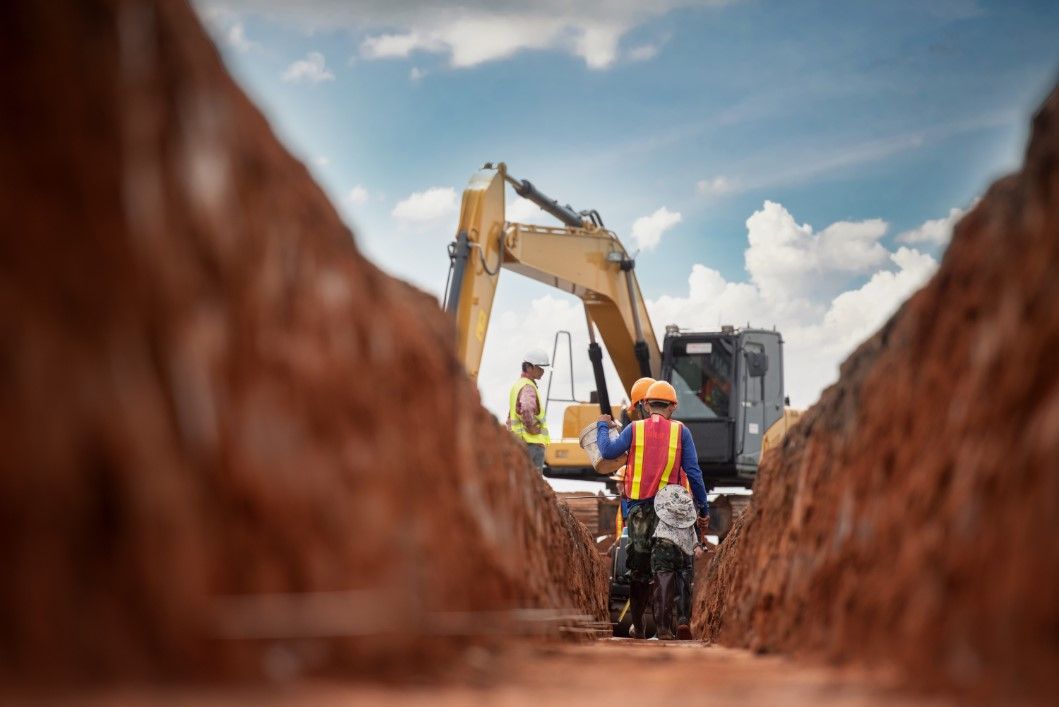
Where mechanical excavation works well
Excavators are efficient for bulk excavation and open digging where underground infrastructure is understood and appropriate clearances can be maintained. AJMEC Projects operates excavators ranging from compact 1.7-tonne equipment through to larger 6-tonne and 14-tonne machines for different underground civil requirements.
Mechanical excavation becomes less suitable when crews need to work immediately around sensitive or live underground assets.
Where vacuum excavation can provide better control
Vacuum excavation is frequently used to expose existing services, create potholes, investigate service crossings and complete controlled excavation around buried infrastructure.
- Exposing utilities before trenching or drilling
- Confirming the position and depth of existing services
- Working around congested underground infrastructure
- Excavating where a mechanical bucket would create unnecessary risk
- Supporting underground installations and service crossings
For these applications, NDD gives operators greater control over the material being removed while reducing direct mechanical contact with buried infrastructure.
Service locating should form part of the process
Vacuum excavation and service locating perform different jobs. Locating equipment can help identify likely underground service routes, while controlled excavation can then be used where physical exposure is needed.
AJMEC Projects provides underground service locating alongside its wider underground civil capabilities. Before excavation begins, project teams should also obtain relevant underground asset information and follow the requirements of individual asset owners.
NDD can support HDD and trenching projects
Vacuum excavation is particularly useful as a supporting method. A project may use NDD to prove services before horizontal directional drilling, or to expose crossings before trenching and conduit installation.
That combined approach allows the excavation method to change as site conditions change rather than relying on one type of equipment across the entire project.
Choosing the right excavation method
The decision should consider the depth and type of excavation, known services, ground conditions, available space and the amount of material that must be removed. There is no single method that suits every underground civil job.
The most practical projects often combine mechanical excavation, locating, vacuum excavation and trenchless installation according to the risks and requirements of each section.
Match the excavation method to the risk
Vacuum excavation is not intended to replace excavators on every site. Its value is in providing a controlled option where existing underground assets make conventional digging unsuitable or where physical service exposure is required.
Explore our underground civil contracting services to understand the methods available for complex underground works.
For help planning excavation around existing services, contact AJMEC Projects with your site and scope details.